The Dr. Sebi diet is a strict, plant-based diet that has sparked controversy. Some believe that following the diet and using supplements sold on the diet’s website may help lower the risk of disease.
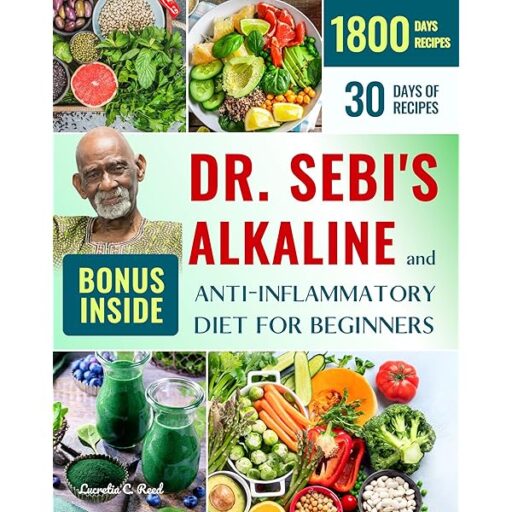
Dr. Sebi, who was not a medical doctor, believed that diseases were caused by mucus and acidity in the body. He suggested that eating specific foods while avoiding others could detoxify the body and create an alkaline state that could prevent or reduce the effects of diseases.
While research supports that plant-based diets can lower dietary acidity and reduce the risk of certain health conditions, there is no scientific evidence or official approval specifically supporting the Dr. Sebi diet. More research is needed, and no studies show that this diet can treat or prevent medical conditions.
This article explores the possible benefits and risks of the Dr. Sebi diet.
Who was Dr. Sebi?
Dr. Sebi, whose real name was Alfredo Bowman, was a self-taught herbalist who claimed to cure diseases like AIDS and leukemia. His claims led to lawsuits, and he passed away in police custody in 2016.
What is the Dr. Sebi diet?
Dr. Sebi believed that the traditional medical approach was ineffective, and he argued that diseases were caused by an acidic environment in the body. The goal of his diet is to create an alkaline environment to prevent or eliminate disease.
His diet’s website sells expensive botanical supplements, claiming they detoxify the body, though there is no scientific research to support these claims. The site itself notes that the information provided is not medical advice.
How to follow the Dr. Sebi diet
The diet comes with strict guidelines, including:
- Only eat foods listed in the diet’s guide.
- Drink 1 gallon of natural spring water daily.
- Avoid animal products, hybrid foods, alcohol, canned foods, seedless fruits, and microwaves.
Here are some examples of foods allowed on the diet:
- Vegetables: Avocado, kale, bell peppers, wild arugula
- Fruits: Apples (except Granny Smith and Red Delicious), bananas, dates, Seville oranges
- Grains: Rye, wild rice, spelt, quinoa
- Oils: Avocado, hempseed, coconut (but not for cooking), olive oil (but not for cooking)
- Nuts and seeds: Hemp, raw sesame seeds, tahini butter, walnuts
- Natural sweeteners: Agave syrup, date sugar
- Herbs and teas: Chamomile, fennel, ginger
- Spices: Cayenne pepper, powdered seaweed
While the diet promotes natural foods, it’s important to note that its claims are not backed by scientific research or official health authorities.
What are the benefits?
There is no scientific proof specifically supporting the Dr. Sebi diet. However, research shows that plant-based diets can offer health benefits. It’s important to also be aware of potential risks, which are covered in the next section.
A 2022 review of studies found a link between high dietary acid levels and various health issues, including:
- Cardiovascular disease
- Kidney problems, such as chronic kidney disease, kidney stones, and high uric acid levels (hyperuricemia)
- Type 2 diabetes
The review pointed out that vegetarian and vegan diets can lower dietary acid levels, with vegan diets being particularly effective. However, this research did not focus on the Dr. Sebi diet, and the authors stress that more studies are needed to fully understand the effects of plant-based diets.
Benefits of plant-based diets
Some potential health benefits of plant-based diets include:
- Weight loss: A 2020 review of 19 studies on plant-based diets found weight loss in all cases. A 2021 trial showed that a low-fat vegan diet led to more weight loss than the Mediterranean diet.
- Improved gut health: A 2019 study suggested that a plant-based diet could positively change gut bacteria (the microbiome), potentially lowering disease risk. More research is needed.
- Reduced disease risk: A 2017 review found that a plant-based diet might lower the risk of coronary heart disease by 40% and cut the risk of metabolic syndrome and type 2 diabetes by 50%.
In an older study, young men reported feeling fuller after eating a plant-based meal with peas and beans compared to a meat-based meal. However, a more recent 2023 study found no difference in fullness between plant-based and meat meals in 60 adults.
The Dr. Sebi diet emphasizes whole, unprocessed foods while avoiding processed items. A 2020 review found that diets high in ultra-processed foods are linked to various health issues, while diets focusing on unprocessed foods have more positive health outcomes.
To learn more about the benefits of plant-based diets, you can explore additional research.
Is the Dr. Sebi diet safe?
The Dr. Sebi diet is quite restrictive and may lack essential nutrients, which is not clearly addressed on the diet’s website.
There is no research that confirms the safety or effectiveness of the Dr. Sebi diet, and Dr. Sebi did not have any medical qualifications.
While plant-based diets are generally considered safe, the Dr. Sebi diet is much more restrictive, which could make it less safe. If someone chooses to follow this diet, it’s a good idea to consult a healthcare professional who may suggest additional supplements.
Vitamin B-12
The Dr. Sebi diet may present a nutritional challenge due to its exclusion of certain food groups. A potential concern is a lack of vitamin B-12, an essential nutrient for various bodily functions.
Adequate vitamin B-12 intake is crucial for maintaining healthy nerve and blood cells and for DNA production. Without sufficient B-12, individuals may experience a deficiency that can lead to a range of health issues.
To mitigate the risk of vitamin B-12 deficiency while following the Dr. Sebi diet, incorporating B-12 supplements or consuming fortified foods is recommended. This is particularly important for individuals who adhere to vegan or vegetarian diets and older adults, who are more susceptible to B-12 deficiency.
Symptoms of B-12 deficiency can include fatigue, depression, and tingling sensations in the hands and feet.
Protein
Protein is vital for the optimal functioning of the brain, muscles, and bones. Dietary guidelines recommend an intake of 46 grams of protein daily for females aged 14 and older, while males of the same age group require 56 grams. While certain foods permitted on the Dr. Sebi diet contain protein, such as hulled hemp seeds (31.6 grams per 100 grams) and walnuts (14.6 grams per 100 grams), the diet restricts other excellent plant-based protein sources like lentils, soy, and specific beans. Consuming sufficient quantities of approved foods to meet daily protein needs could be challenging.
Scientific research emphasizes the importance of consuming varied plant-based foods to obtain all essential amino acids, the fundamental building blocks of protein. Achieving this balance might prove difficult while adhering to the Dr. Sebi diet.
Omega-3 fatty acids are crucial components of cell membranes and play a vital role in supporting brain, heart, and eye health. They also contribute to energy production and immune system function. The Dr. Sebi diet incorporates plant sources of omega-3s, including hemp seeds and walnuts. However, the human body absorbs these acids more efficiently from animal sources. A 2019 study indicates that vegan diets often lack two essential omega-3 fatty acids unless supplemented. Individuals following the Dr. Sebi diet might benefit from incorporating an omega-3 supplement.
Dr. Sebi’s dietary approach often incorporates unique ingredients and proprietary botanical supplements. However, individuals who are not strictly adhering to the diet can modify certain recipes to create nutritious, plant-based meals. For instance, Dr. Sebi’s “veggie-ful” smoothie can be adjusted by omitting the date sugar, as the beverage might be sufficiently sweet without it. Zucchini bread pancakes can be made with maple syrup or coconut sugar as substitutes for date sugar. Veggie fajita tacos can be customized to include wheat or corn tortillas for individuals who consume these grains.
It is important to note that scientific studies do not currently support the Dr. Sebi diet. Proponents of this diet also advocate for the use of expensive products lacking robust scientific evidence to substantiate their effectiveness. Nevertheless, the diet may offer some advantages associated with other plant-based diets. Consuming a greater quantity of whole fruits and vegetables can potentially have positive health effects and may contribute to weight loss if that is a desired outcome. Individuals considering embarking on any new dietary regimen should conduct thorough research and consult with a healthcare professional. A healthcare professional can ensure that an individual’s nutritional needs are met, including the potential need for supplementation.

Cortisol, commonly known as the "stress hormone," plays a crucial role in helping your body respond to stressful situations. However, Read more

When you have adrenal fatigue, the timing of your meals and snacks is remarkably important to how you feel during Read more

Eating more ultra-processed foods such as soft drinks, chips, and cookies may significantly increase the risk of memory and thinking Read more

What you eat has a significant impact on your brain's health and functionality. Recent studies highlight the importance of diet Read more


