Cortisol, commonly known as the “stress hormone,” plays a crucial role in helping your body respond to stressful situations. However, prolonged elevated levels of cortisol can lead to various health issues, including weight gain and chronic diseases. Understanding how to effectively manage and lower cortisol levels is essential for maintaining overall well-being. This article explores 11 natural methods to lower cortisol levels, providing practical tips and insights to help you achieve a healthier balance.
Understanding Elevated Cortisol Levels
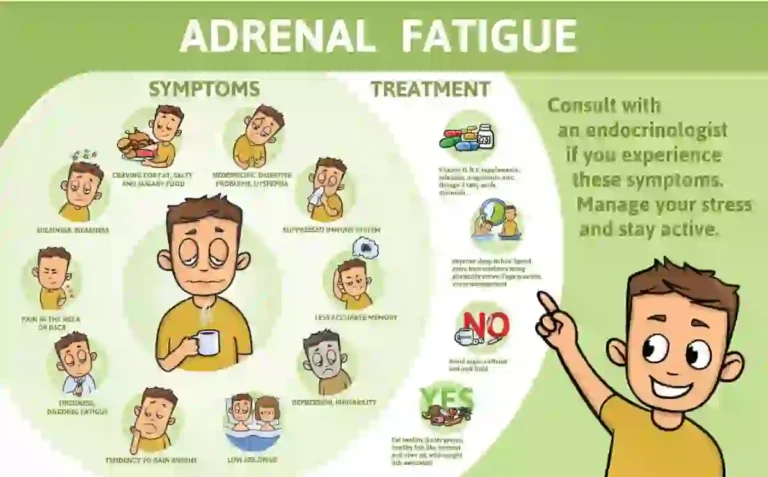
When cortisol levels remain high over extended periods, it can contribute to a range of health problems. Elevated cortisol is often linked with chronic stress, poor sleep, and unhealthy lifestyle choices. Symptoms of high cortisol can include weight gain, fatigue, mood swings, and weakened immune function. Identifying and addressing the causes of elevated cortisol is crucial for maintaining good health.
Cortisol is a stress hormone that helps your body handle stressful situations. However, if cortisol levels stay high for too long, it can lead to health problems like weight gain and chronic diseases. Here are 11 simple ways to naturally lower your cortisol levels:
- Get Enough Sleep
- Prioritize good sleep. Poor sleep, like insomnia or working night shifts, can increase cortisol. Stick to a regular sleep schedule, avoid caffeine before bed, and limit screen time to improve your sleep.
- Exercise Regularly
- Exercise can both raise and lower cortisol, depending on intensity. Aim for 150-200 minutes of moderate exercise each week, and balance it with rest to avoid overdoing it.
- Practice Mindfulness
- Mindfulness helps manage stress by making you aware of your thoughts and feelings without judgment. Regular mindfulness practice, such as meditation, can lower cortisol levels.
- Breathe Deeply
- Deep breathing stimulates your body’s relaxation system and can help lower cortisol. Try incorporating breathing exercises into your daily routine or during stressful moments.
- Have Fun and Laugh
- Laughter and enjoyable activities can reduce cortisol. Engage in hobbies and activities that make you happy, and don’t be afraid to laugh!
- Maintain Healthy Relationships
- Supportive relationships can help lower cortisol. Practice compassion and empathy in your interactions to manage stress better.
- Spend Time with Pets
- Interacting with pets can reduce cortisol and stress. Even spending time with other people’s pets can be beneficial.
- Focus on Self-Acceptance
- Work on self-forgiveness and managing guilt or shame. Addressing these feelings can help regulate cortisol levels.
- Explore Spiritual Practices
- Spiritual activities, like prayer or meditation, can lower cortisol. If you’re not spiritual, consider acts of kindness and building social support.
- Eat a Nutritious Diet
- A healthy diet with whole grains, fruits, vegetables, and healthy fats can help manage cortisol. Avoid excessive sugar and processed foods.
- Consider Supplements
- Some supplements, like fish oil and ashwagandha, may help reduce cortisol. Consult with a healthcare provider before starting any new supplements.
Bottom Line: Cortisol is essential for managing stress, but long-term high levels can harm your health. Adopting these lifestyle changes can help naturally lower cortisol and reduce stress. If needed, consult a healthcare professional for personalized advice.
Recommended Foods
A well-balanced diet can significantly impact cortisol levels. Consuming certain foods can help manage and reduce cortisol production. Here are some beneficial foods:
- Whole Grains: Rich in fiber, whole grains such as oats, quinoa, and brown rice help stabilize blood sugar levels, which can, in turn, help control cortisol production.
- Fruits and Vegetables: Fresh produce, especially those high in antioxidants like berries, oranges, and leafy greens, can reduce oxidative stress and inflammation, supporting balanced cortisol levels.
- Legumes: Beans and lentils are excellent sources of protein and fiber, helping to maintain stable blood sugar levels and reduce cortisol spikes.
- Healthy Fats: Incorporate sources of omega-3 fatty acids, like avocados, nuts, and fatty fish, to support brain health and reduce cortisol production.
- Herbs and Spices: Adaptogenic herbs like ashwagandha and turmeric have been shown to help manage stress and lower cortisol levels.
Meals and Snacks Recipes
Breakfast: Berry and Spinach Smoothie
- Ingredients: 1 cup spinach, 1 cup mixed berries, 1 banana, 1 tablespoon chia seeds, 1 cup almond milk.
- Instructions: Blend all ingredients until smooth. Serve immediately.
Lunch: Quinoa and Chickpea Salad
- Ingredients: 1 cup cooked quinoa, 1 cup cooked chickpeas, 1 cup cherry tomatoes, 1 cucumber (diced), 2 tablespoons olive oil, 1 tablespoon lemon juice.
- Instructions: Combine all ingredients in a bowl. Toss well and serve chilled.
Dinner: Grilled Salmon with Avocado Salsa
- Ingredients: 2 salmon fillets, 1 avocado (diced), 1 tomato (diced), 1/4 red onion (finely chopped), 1 tablespoon lime juice.
- Instructions: Grill salmon fillets until cooked through. Mix avocado, tomato, onion, and lime juice to make salsa. Top salmon with salsa before serving.
Snacks: Almond and Berry Energy Balls
- Ingredients: 1 cup almonds, 1 cup dried berries, 1 tablespoon honey, 1 tablespoon chia seeds.
- Instructions: Blend almonds and dried berries until finely chopped. Add honey and chia seeds. Roll into small balls and refrigerate.
Nutrition Facts for Berry and Spinach Smoothie
| Servings Per Recipe | 1 |
|---|---|
| Calories | 250 |
| % Daily Value * | |
| Total Fat | 7g (9%) |
| Sodium | 60mg (3%) |
| Total Carbohydrates | 38g (14%) |
| Dietary Fiber | 8g (29%) |
| Sugars | 20g |
| Protein | 6g |
Daily Values (DVs) are based on a standard 2,000 calorie diet. Nutritional needs may vary.
Additional Tips
- Hydration: Ensure adequate water intake to support overall health and stress management.
- Habit Changes: Develop a consistent sleep schedule and avoid excessive caffeine and alcohol.
- Therapies and Treatments: Engage in stress-reducing activities like meditation, yoga, and counseling.
- Exercise: Incorporate regular physical activity, focusing on moderate-intensity exercises.
- Moderation: Avoid overexertion during exercise and practice mindful eating to maintain balance.
Consider Yourself:
- How often do you experience stress or anxiety? – Consider integrating mindfulness techniques.
- What changes can you make to improve your sleep quality? – Evaluate and adjust your sleep environment.
- Are there foods you can add to your diet to help manage stress? – Experiment with incorporating stress-reducing foods.
- What types of exercise do you enjoy that could fit into your routine? – Find activities that you look forward to.

Natural Ways to Lower Cortisol: Managing Stress for Better Health Persistent exposure to stressful situations can lead to high levels Read more

When you have adrenal fatigue, the timing of your meals and snacks is remarkably important to how you feel during Read more

Stress is an inevitable part of life, but chronic stress can have serious consequences for your health. One key hormone Read more

Eating more ultra-processed foods such as soft drinks, chips, and cookies may significantly increase the risk of memory and thinking Read more