A recent study conducted by researchers at Massachusetts General Hospital (MGH) highlights a significant connection between the long-term consumption of ultra-processed foods (UPFs) and the heightened risk of stroke and cognitive decline. Understanding this relationship is crucial for making informed dietary choices to safeguard brain health and prevent serious neurological conditions.
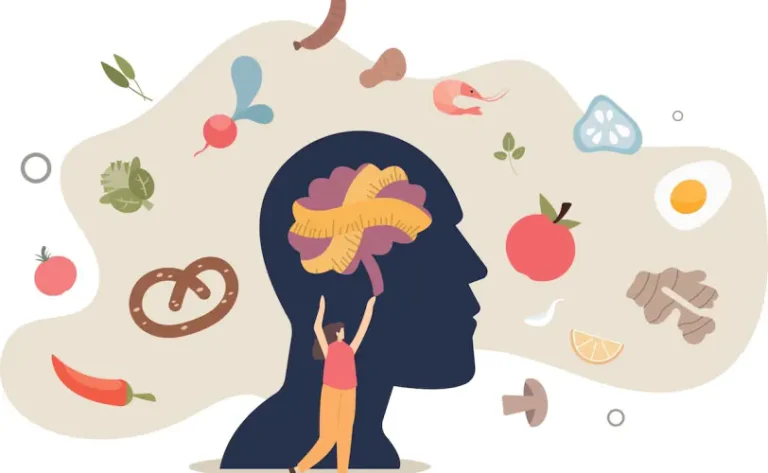
The Dangers of Ultra-Processed Foods
Ultra-processed foods are those that have undergone extensive processing, including the addition of fats, sugars, starches, salts, and preservatives. Common examples include sugary beverages, ready-to-eat snacks, sweetened cereals, and cured meats. These foods are designed to enhance taste, flavor, and shelf-life, but their consumption has been linked to numerous health issues, such as cardiovascular disease, obesity, diabetes, and now, increased neurological risks.
The study, published in Neurology®, analyzed data from over 30,000 adults over a decade. Researchers found a 9% increase in stroke risk and a 12% increase in cognitive decline among those with higher UPF consumption. The risk was even more pronounced among Black participants, reflecting a higher incidence of hypertension within this group.
Beneficial Foods for Brain Health
To counteract the negative effects of UPFs, incorporating minimally processed or unprocessed foods into your diet is essential. These foods include:
- Fresh fruits and vegetables
- Whole grains
- Lean proteins such as fish and poultry
- Nuts and seeds
- Healthy fats like olive oil
Diets such as the Mediterranean, DASH (Dietary Approaches to Stop Hypertension), and MIND (Mediterranean-DASH Intervention for Neurodegenerative Delay) have been shown to reduce the risk of stroke and cognitive decline. These diets emphasize fresh produce and minimize the intake of red and processed meats.
Healthy Meals and Snack Ideas
Here are some meal and snack ideas that align with brain-healthy eating principles:
Breakfast:
- Greek yogurt with fresh berries and a sprinkle of nuts
- Oatmeal topped with sliced bananas and chia seeds
Lunch:
- Quinoa salad with mixed greens, cherry tomatoes, cucumbers, and olive oil vinaigrette
- Grilled chicken wrap with avocado, lettuce, and tomato
Dinner:
- Baked salmon with steamed broccoli and brown rice
- Stir-fried tofu with mixed vegetables and quinoa
Snacks:
- Apple slices with almond butter
- Carrot sticks with hummus
Additional Tips for Maintaining Brain Health
- Hydration: Drink plenty of water throughout the day to stay hydrated.
- Physical Activity: Engage in regular exercise to boost overall health and brain function.
- Moderation: Limit the intake of UPFs and opt for fresh, whole foods whenever possible.
- Mental Stimulation: Keep your brain active with puzzles, reading, and learning new skills.
- Sleep: Ensure adequate rest to support cognitive processes and overall well-being.
Questions to Reflect On
- How often do I consume ultra-processed foods? Frequency of UPF intake
- What changes can I make to reduce UPF consumption? Dietary adjustments
- Am I incorporating enough fresh fruits and vegetables into my meals? Nutritional balance
- How can I include more whole grains and lean proteins in my diet? Food variety
- What steps can I take to improve my overall brain health? Holistic approach
Unveiling the Risks: How Ultra-Processed Foods Impact Your Brain Health. By considering these questions, you can take proactive steps towards a healthier diet and improved brain health.
Remember, even small changes can make a significant difference in reducing the risk of stroke and cognitive decline. Prioritize whole, unprocessed foods, and stay informed about the impact of your dietary choices.

Cortisol, commonly known as the "stress hormone," plays a crucial role in helping your body respond to stressful situations. However, Read more

Stress is an inevitable part of life, but chronic stress can have serious consequences for your health. One key hormone Read more

Eating more ultra-processed foods such as soft drinks, chips, and cookies may significantly increase the risk of memory and thinking Read more

What you eat has a significant impact on your brain's health and functionality. Recent studies highlight the importance of diet Read more
