A growing body of research highlights the significant role diet plays in maintaining cognitive function and reducing the risk of neurological conditions. Recent findings underscore that increasing the intake of unprocessed or minimally processed foods can notably lower the risk of cognitive impairment and stroke.
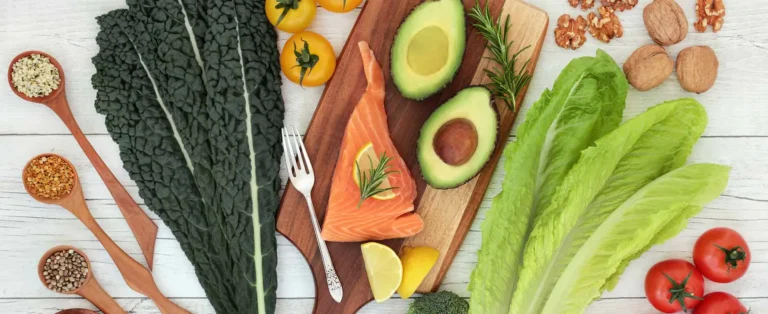
The Link Between Diet and Brain Health
Extensive studies, including the prospective REGARDS study, have established a clear correlation between dietary habits and brain health outcomes. Ultra-processed foods, characterized by high levels of additives, poor nutrient composition, and high glycemic load, have been shown to elevate the risk of cognitive decline and stroke. Conversely, a diet rich in minimally processed foods is associated with a reduction in these risks.
Key Findings:
- A 10% increase in the consumption of minimally processed foods reduces the risk of cognitive impairment by 12% and stroke by 9%.
- Conversely, a 10% increase in the intake of ultra-processed foods increases the risk of cognitive impairment by 16% and stroke by 8%.
Recommended Foods for Brain Health
Incorporating more minimally processed foods into your diet can be beneficial for brain health. These foods include:
- Fresh Vegetables and Fruits: Uncut or freshly cut, chilled, or frozen without additives.
- Whole Grains: Such as brown rice, quinoa, and oats.
- Lean Proteins: Including fresh cuts of poultry, fish, and lean meat.
- Legumes: Beans, lentils, and peas.
- Nuts and Seeds: Unsalted and unprocessed.
- Dairy Products: Milk and yogurt without added sugar.
- Beverages: Water, coffee, and tea without added sweeteners.
Meal and Snack Ideas
Breakfast
- Oatmeal with Fresh Berries: Whole oats topped with a mix of blueberries, strawberries, and a sprinkle of chia seeds.
- Greek Yogurt with Nuts and Honey: Plain Greek yogurt with a handful of walnuts and a drizzle of honey.
Lunch
- Quinoa Salad: Quinoa mixed with chopped vegetables, chickpeas, and a light vinaigrette.
- Grilled Chicken Wrap: Whole-grain wrap filled with grilled chicken, fresh spinach, and avocado.
Dinner
- Baked Salmon with Vegetables: Oven-baked salmon served with steamed broccoli and sweet potatoes.
- Stir-Fried Tofu and Vegetables: Tofu stir-fried with a mix of colorful vegetables and served over brown rice.
Snacks
- Fresh Fruit: Sliced apple with almond butter.
- Veggie Sticks and Hummus: Carrot and celery sticks with a serving of hummus.
Additional Tips for Enhancing Brain Health
- Hydration: Drink plenty of water throughout the day to stay hydrated.
- Exercise: Engage in regular physical activity to boost overall health and brain function.
- Moderation: While reducing ultra-processed foods, aim for sustainable dietary changes rather than drastic shifts.
- Mindfulness: Pay attention to food labels and choose minimally processed options whenever possible.
Reflecting on Your Diet Choices
Consider the following questions to assess your current diet and its impact on your brain health:
- Are you consuming enough fresh vegetables and fruits daily?
- Do you incorporate whole grains and lean proteins into your meals?
- How often do you eat ultra-processed foods, and can you identify healthier alternatives?
Small, consistent changes can lead to significant improvements in brain health over time. By prioritizing minimally processed foods, you are taking a proactive step toward reducing the risk of cognitive decline and stroke.

Cortisol, commonly known as the "stress hormone," plays a crucial role in helping your body respond to stressful situations. However, Read more

When you have adrenal fatigue, the timing of your meals and snacks is remarkably important to how you feel during Read more

Stress is an inevitable part of life, but chronic stress can have serious consequences for your health. One key hormone Read more

Eating more ultra-processed foods such as soft drinks, chips, and cookies may significantly increase the risk of memory and thinking Read more

